Best AI Fitness App: What Actually Matters
Evaluate AI fitness apps by adaptation, workout quality, nutrition context, explanations, and data control.
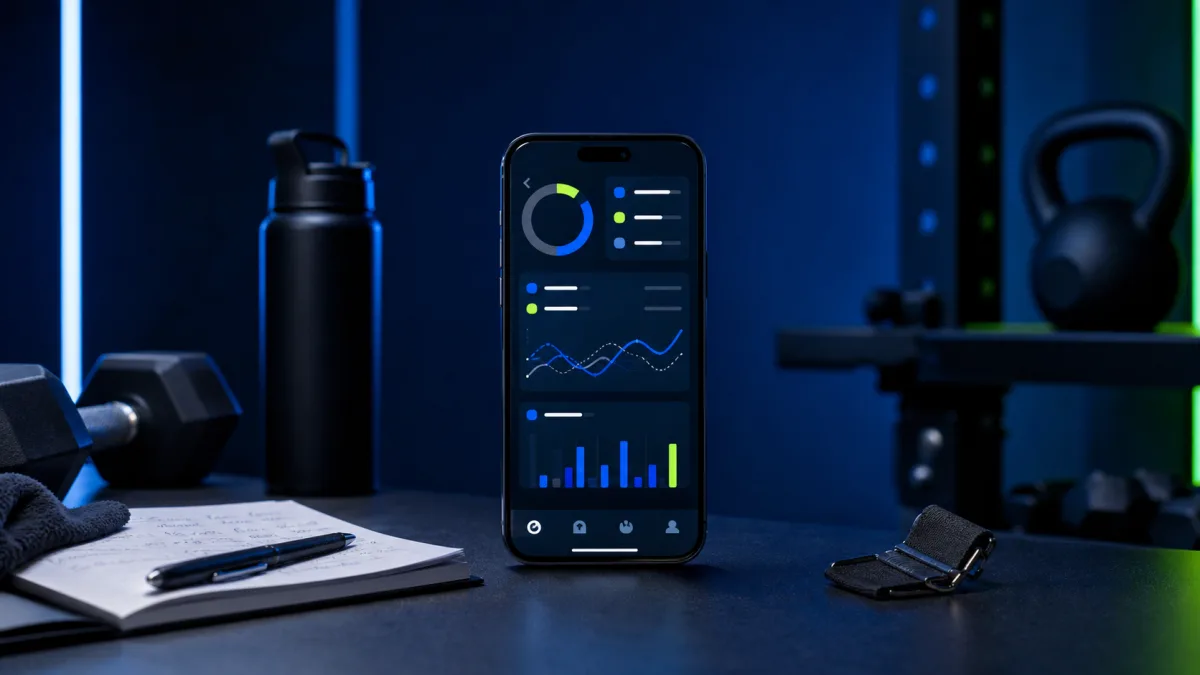
The best AI fitness app is not the one producing the longest workout in five seconds. It is the one that uses your constraints, explains recommendations, records outcomes, and makes sensible changes over time.
Start with planning quality
A useful app should ask about:
- Primary goal
- Training experience
- Available days
- Equipment
- Session length
- Exercise limitations
- Current performance
Without these inputs, “personalized” often means little more than inserting your name into a generic template.
Look for real adaptation
Adaptation should respond to evidence:
- Completed sets and repetitions
- Load progression
- Missed sessions
- Exercise substitutions
- Recovery feedback
- Weight or measurement trends
- Schedule changes
An app should not change everything after one difficult workout. Useful adaptation distinguishes a bad day from a sustained trend.
Demand explanations
Recommendations should answer:
- Why is this exercise included?
- Why did volume increase?
- Why did calories change?
- What happens after a missed workout?
- What should happen if progress stalls?
Explanations help you judge whether a recommendation fits your body and life. They also prevent the app from becoming a black box.
Check nutrition context
Calorie and macro targets should connect to a goal. A muscle-gain phase, maintenance phase, and fat-loss phase should not receive the same targets. A good starting point for your nutrition numbers comes from a TDEE calculator for maintenance, then a macro calculator or calorie deficit calculator for goal-specific targets.
Nutrition features should make uncertainty visible. Food-photo estimates and restaurant meals are convenient, but they are not laboratory measurements. Good software helps users stay consistent without pretending every estimate is exact.
Evaluate workout tracking
Useful tracking should make the next set easier, not add administrative work.
Look for:
- Previous load and reps beside current work
- Fast logging
- Exercise history
- Personal records
- Volume trends
- Notes for pain or technique
- Clear substitutions
Progressive overload depends on comparable records. A large exercise library matters less if history is difficult to use.
Check safety boundaries
AI fitness software should not diagnose injury, prescribe around serious symptoms, or replace qualified medical care.
An app should direct users toward professional help for chest pain, fainting, persistent pain, pregnancy-specific concerns, eating disorders, or medical conditions affected by exercise and diet.
Compare value, not feature count
Before paying, ask:
- Does the free version show actual usefulness?
- Are core tracking features locked behind the highest tier?
- Can data be exported?
- Is cancellation clear?
- Does the app support your preferred platform?
- Does it reduce planning time every week?
RizzFit is designed around connected training, nutrition targets, progress trends, and explanations. Explore the free fitness calculators — including TDEE, one-rep max, and protein targets — as a starting point before downloading. The important test is not whether an app uses the word AI. The test is whether it helps you make better decisions consistently.
Useful calculators
Goal guides
Keep reading
3-Day Full-Body Workout Plan for Beginners
Use three repeatable full-body sessions to build strength, skill, and training consistency.
Read the guideHow to Calculate Your Daily Calories
Estimate maintenance calories, choose a target for your goal, and adjust the number using real weight and training trends.
Read the guideFrequently asked questions
What makes an AI fitness app actually personalised?
It collects your goal, experience, schedule, equipment, and limitations up front, then changes future sessions based on what you actually completed. Inserting your name into a fixed template is not personalisation.
Are AI fitness apps better than a human coach?
They are cheaper, always available, and consistent, but they cannot watch your technique or read context the way a good coach does. They work best for structure, progression tracking, and accountability.
Can an AI app write a safe beginner program?
Yes, provided it asks about injuries and equipment and starts conservatively. Any program that jumps straight to heavy or high-volume work without a ramp-up is a warning sign.